Ketamine therapy, intentions and integration, plus clinics and costs by state.
I tried the apps that show up in every “best apps for overthinking” list. Most track your mood or teach meditation. Here’s which ones actually help mid-spiral, ours included.
Asking this question is already a good sign. 10 honest questions to see your part clearly, without blaming yourself for everything.
Feeling more emotional than usual, or always? The common reasons, from sleep and stress to hormones and old hurt, and what actually helps.
Feeling like your mom hates you is painful. What might be going on, from stress to her own wounds, what isn't your fault, and what can help.
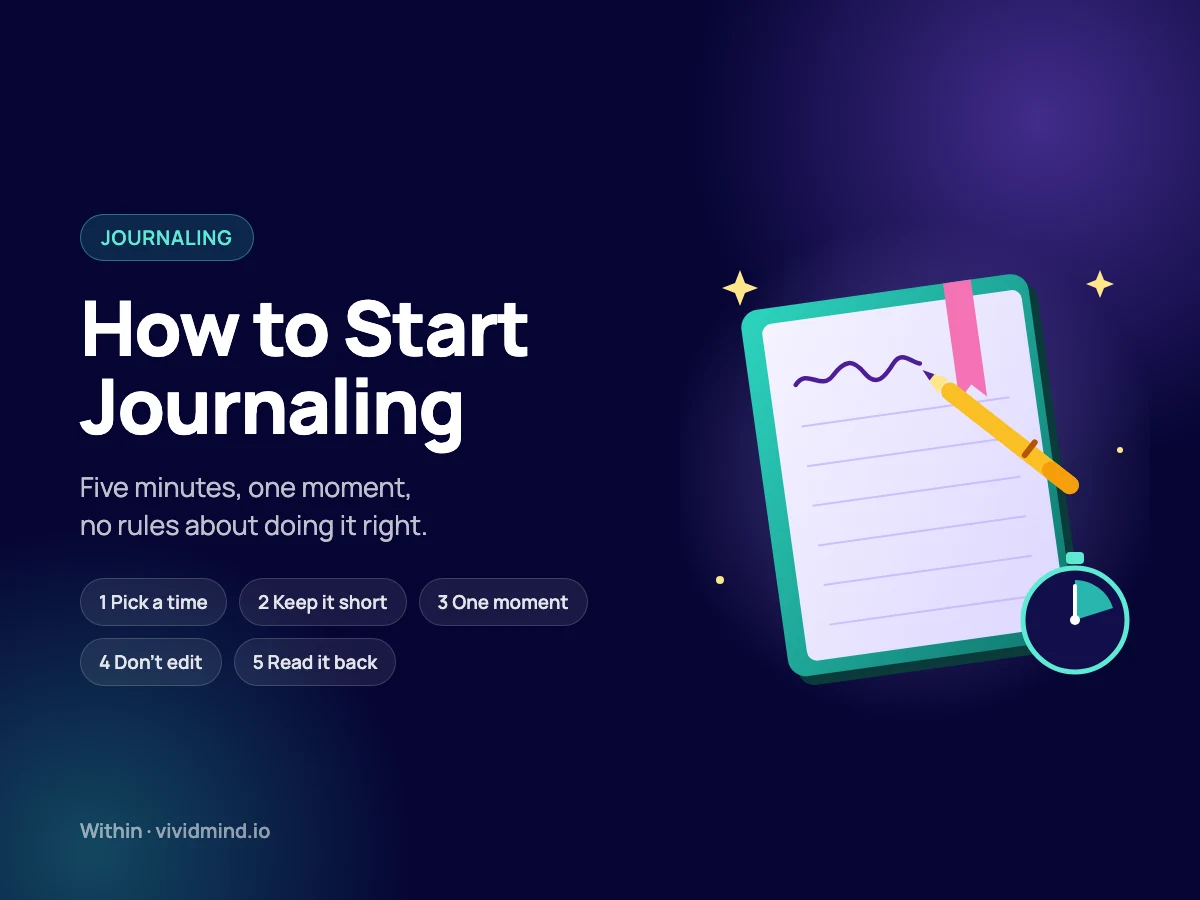
A simple way to start journaling and keep going: what to write, how long, the 3-3-3 method, and what to do when the page stays blank.
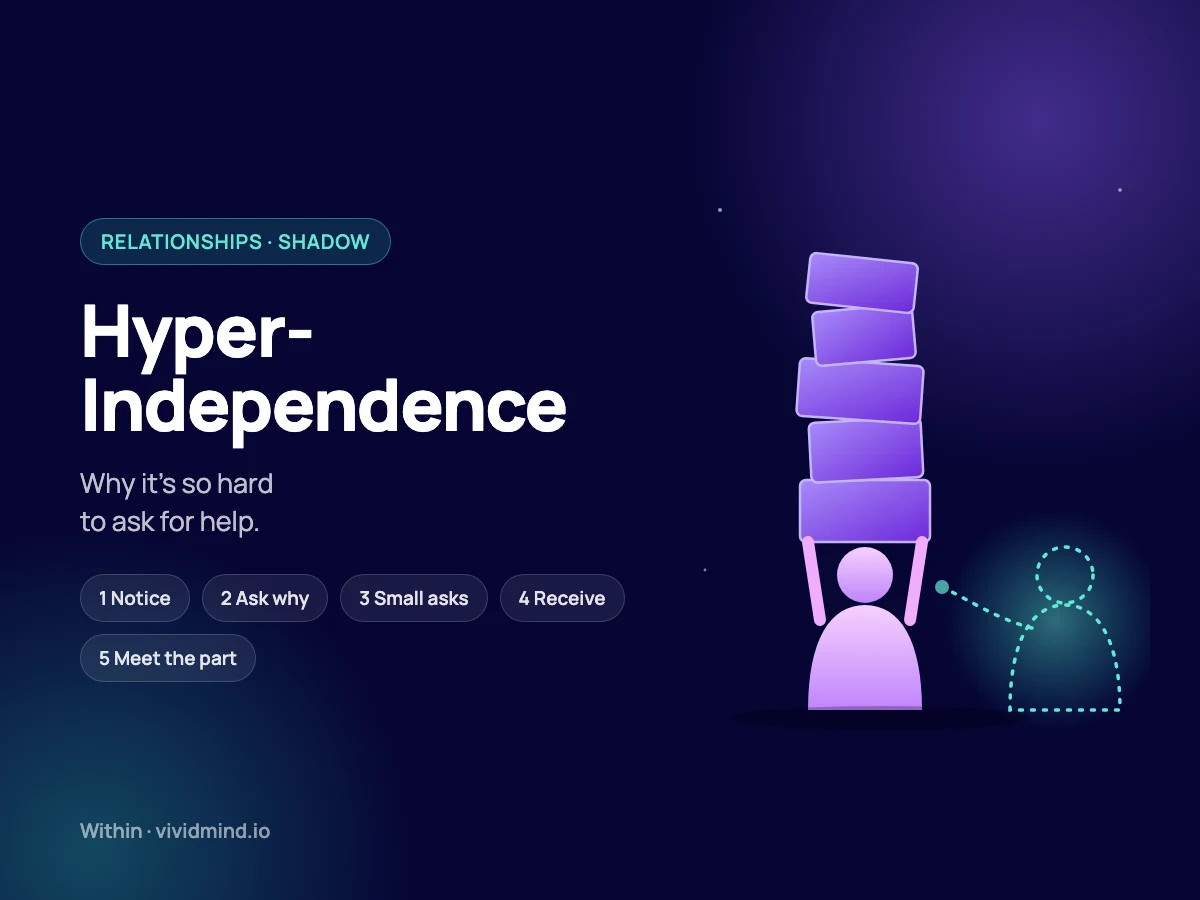
If needing people feels dangerous, you're not "just independent". What hyper-independence is, where it comes from, and how to let people in.
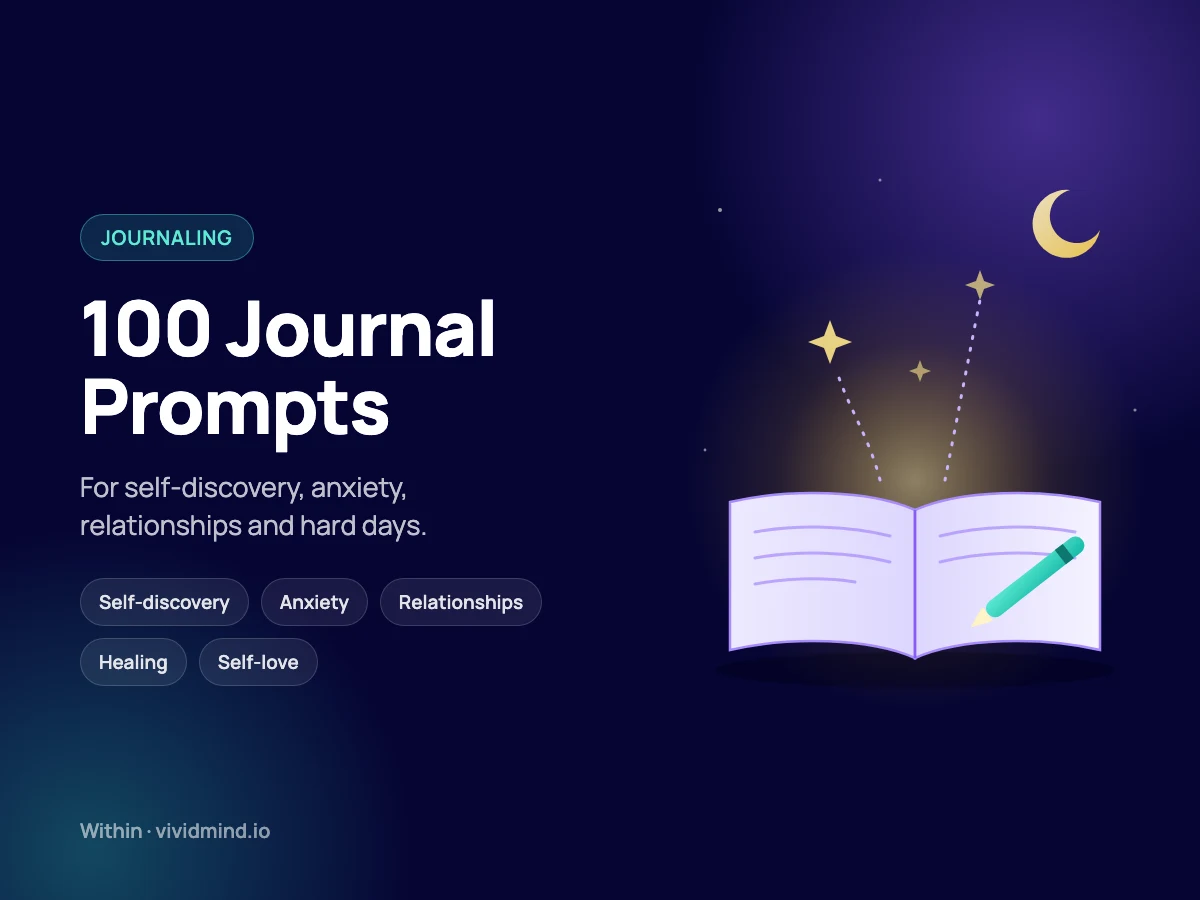
100 journal prompts that actually lead somewhere: to know yourself, calm anxiety, understand your relationships and heal old patterns.
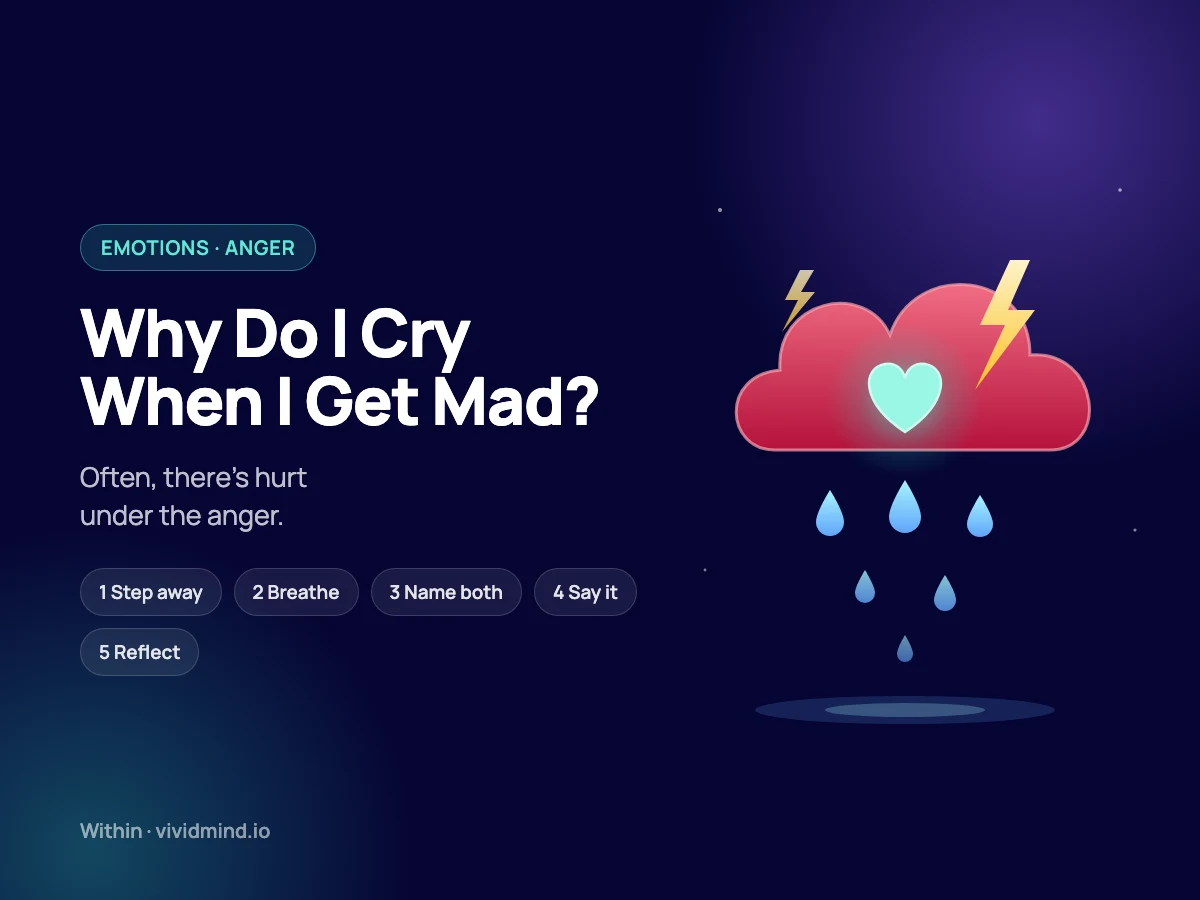
Crying when you're angry is common and it isn't weakness. Why anger turns into tears, what's often underneath, and how to stay steady.
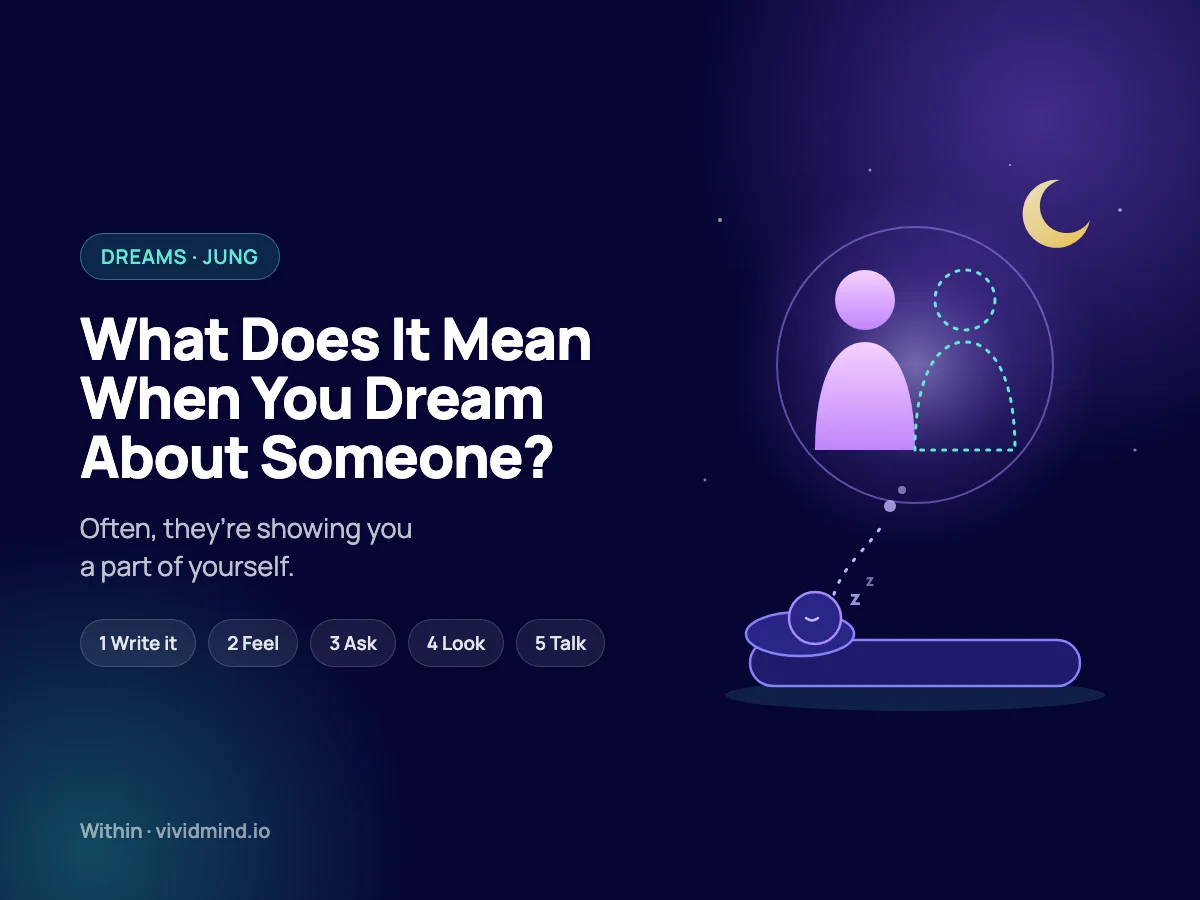
Dreaming about someone usually says more about you than about them. What it can mean, from your ex to someone who died, and how to read it.
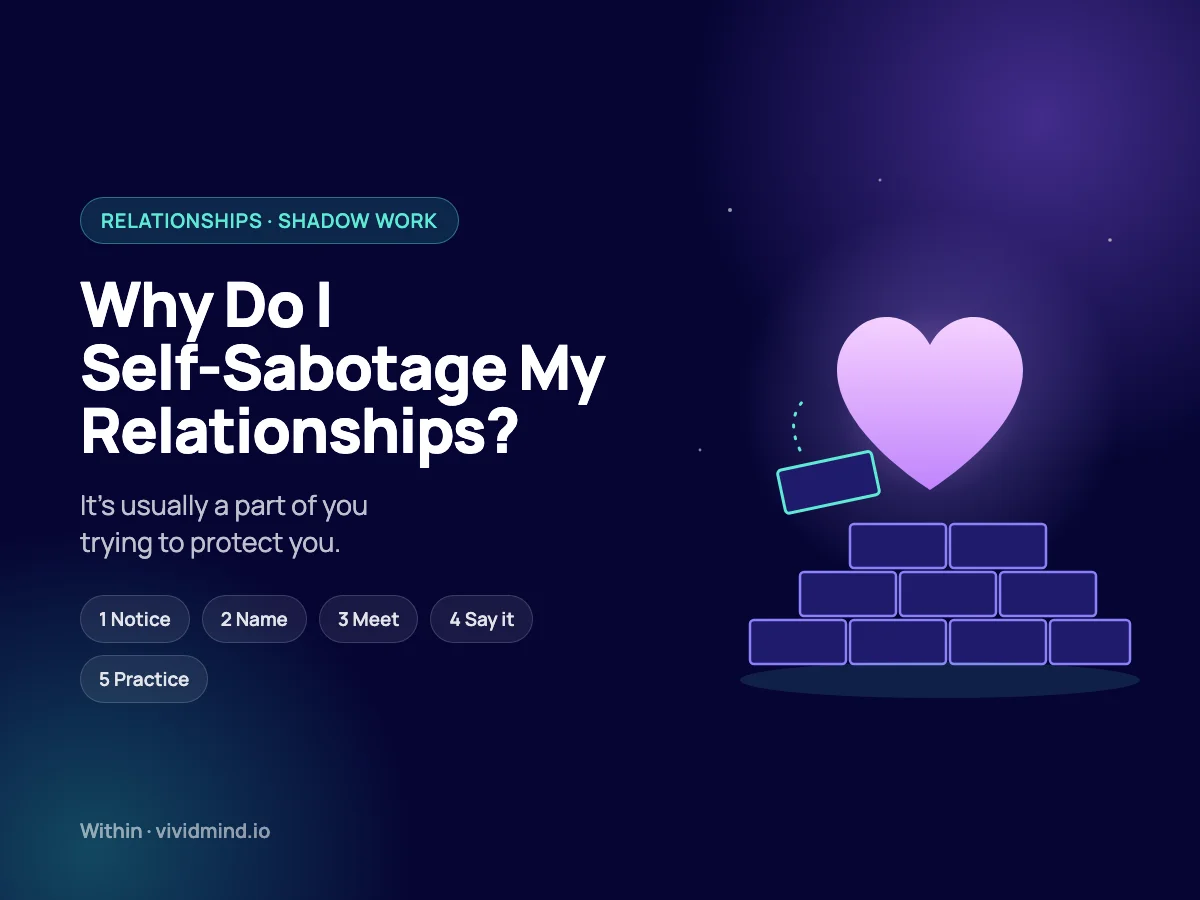
Why do I self-sabotage my relationships? What it looks like, 5 reasons it happens (usually fear and self-protection), and how to stop.
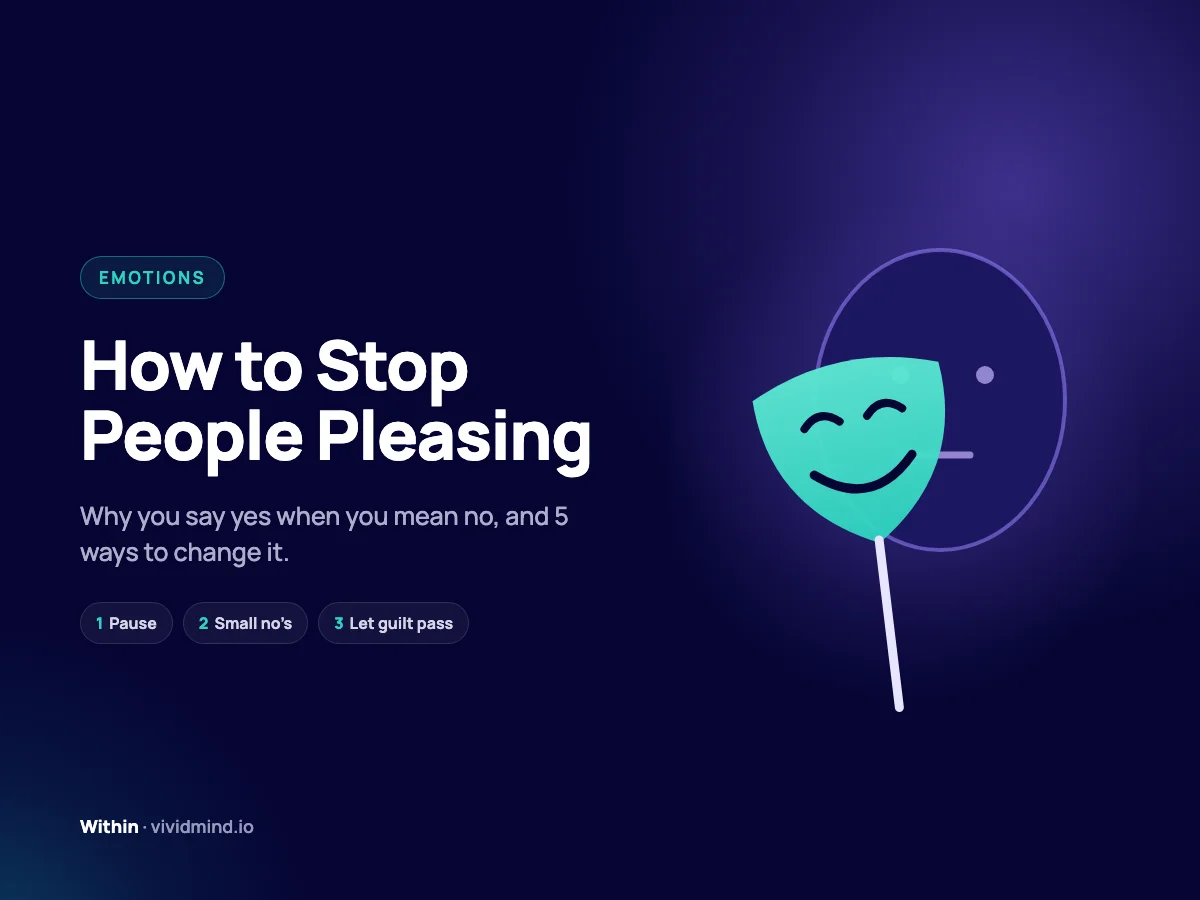
Why you say yes when you mean no, what your people pleasing may be protecting, and small ways to stop without feeling guilty.
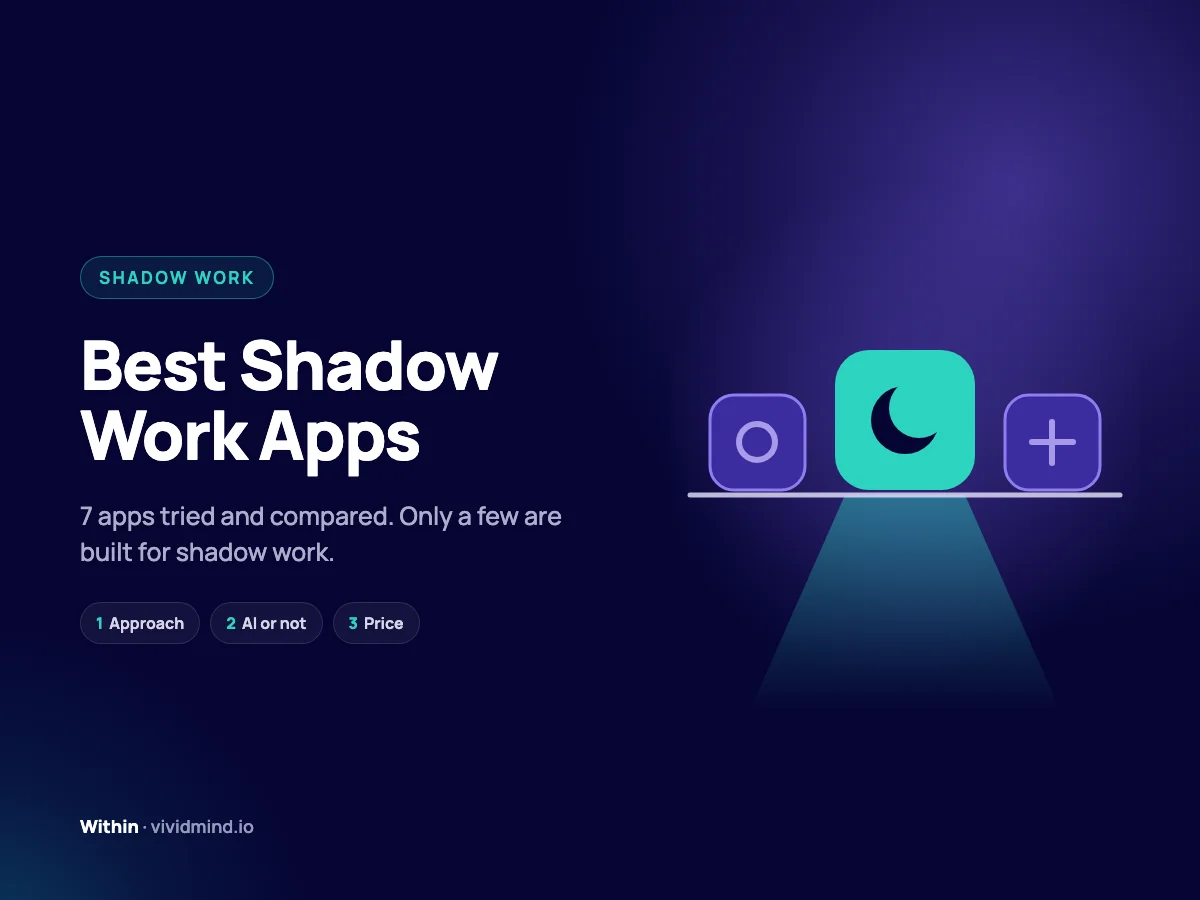
We tried 7 shadow work and journaling apps, from Zenfulnote and Mindberg to Rosebud and Life Note. Here's how they compare, what they cost, and which ones are actually built for shadow work.
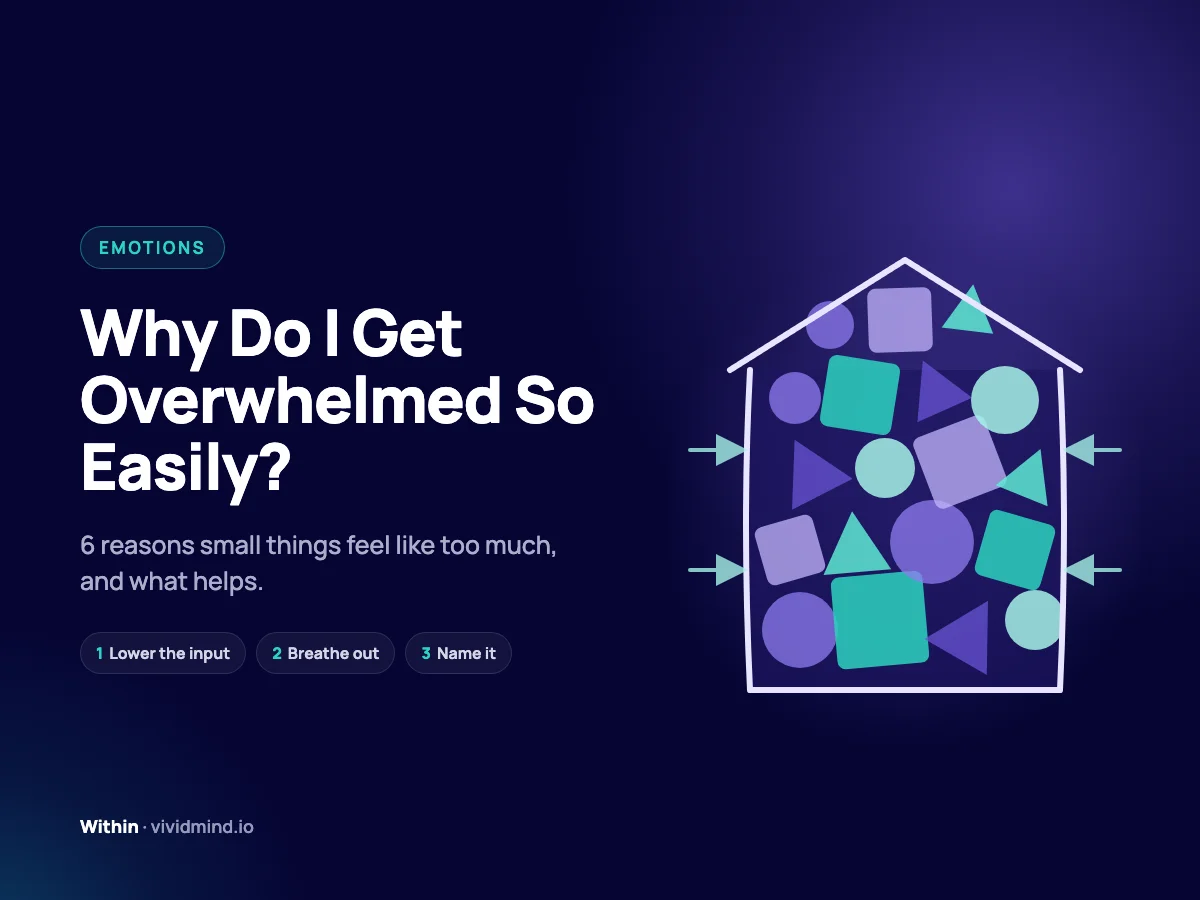
Why do small things feel like too much? 6 reasons you get overwhelmed so easily, what to do in the moment, and how to get overwhelmed less often.
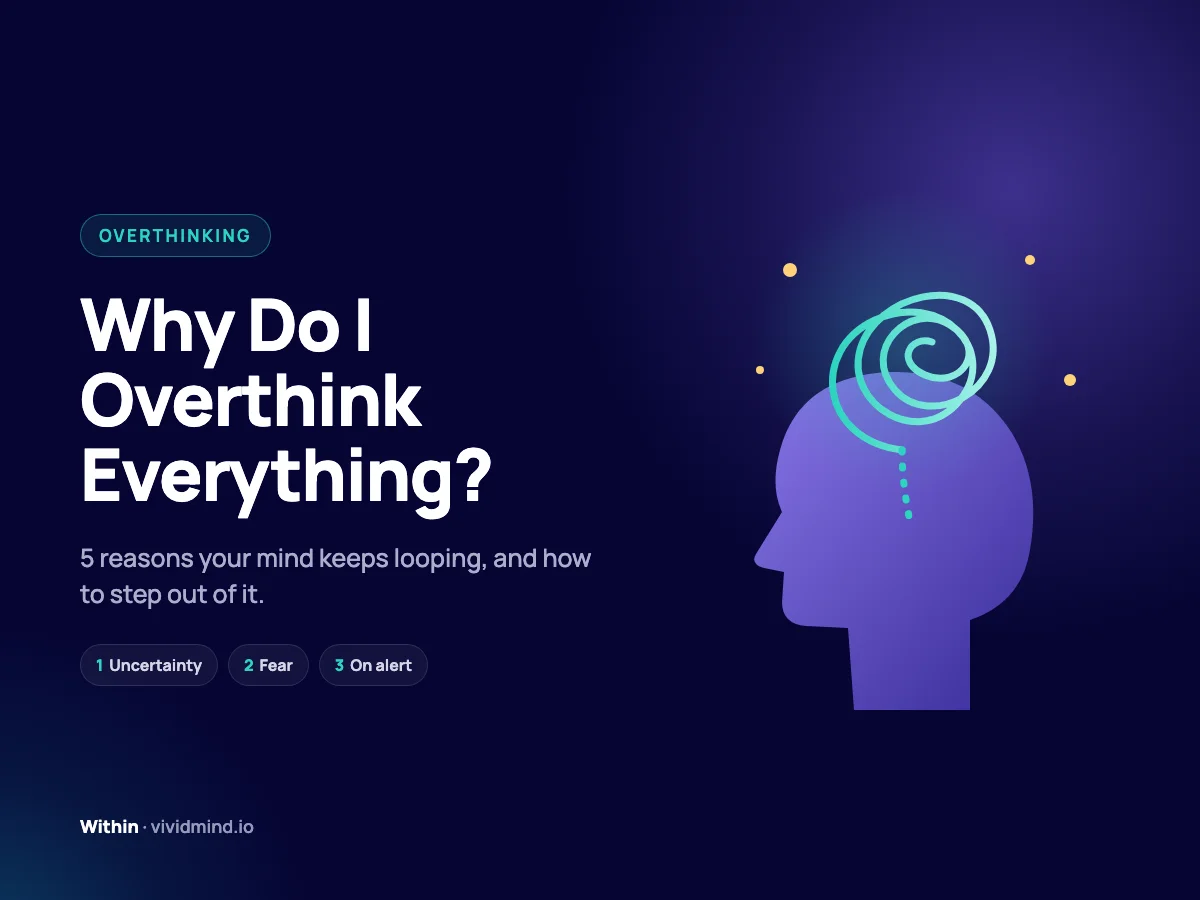
Why do I overthink everything? 5 common reasons your mind keeps looping, what it may be protecting you from, and simple ways to step out of it.
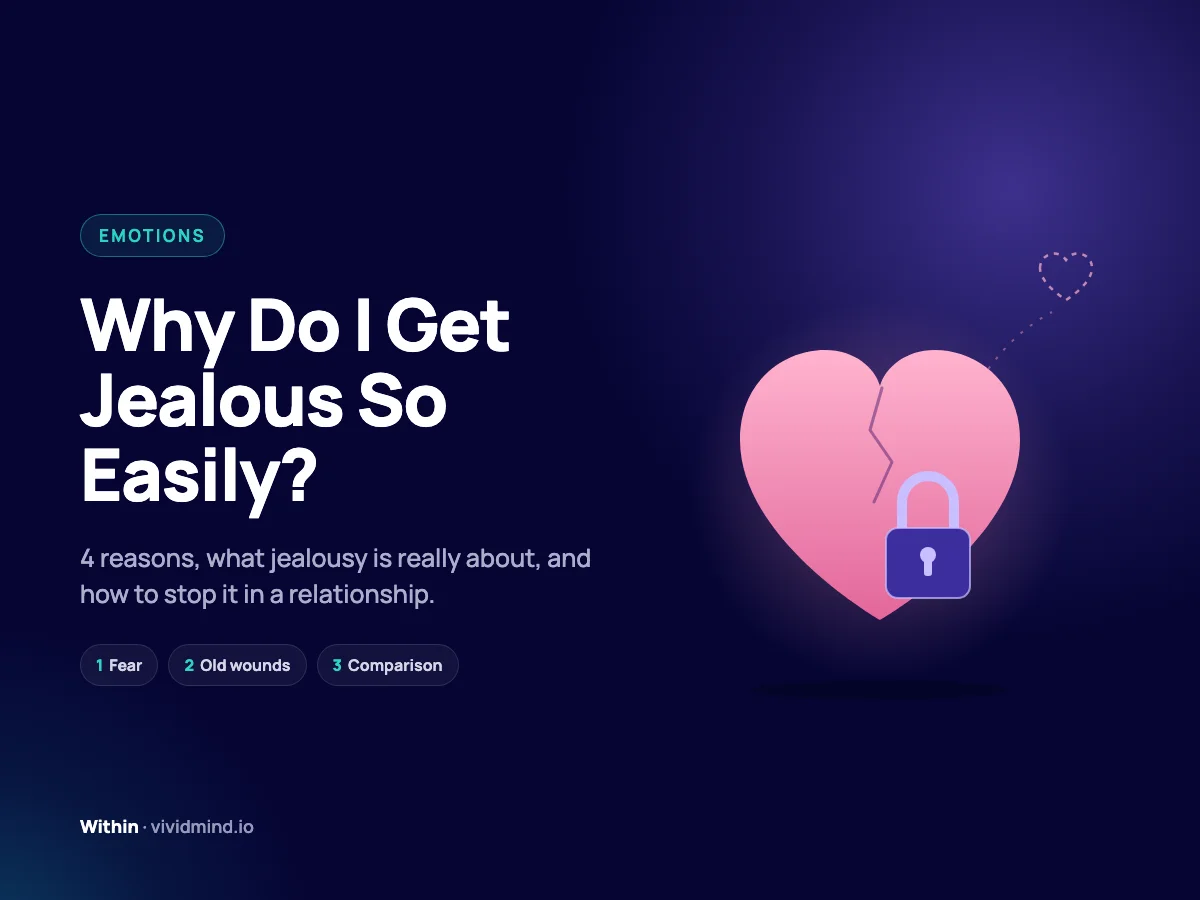
Why do I get jealous so easily? What jealousy is really about, why it flares even in a good relationship, and how to stop it running the show.
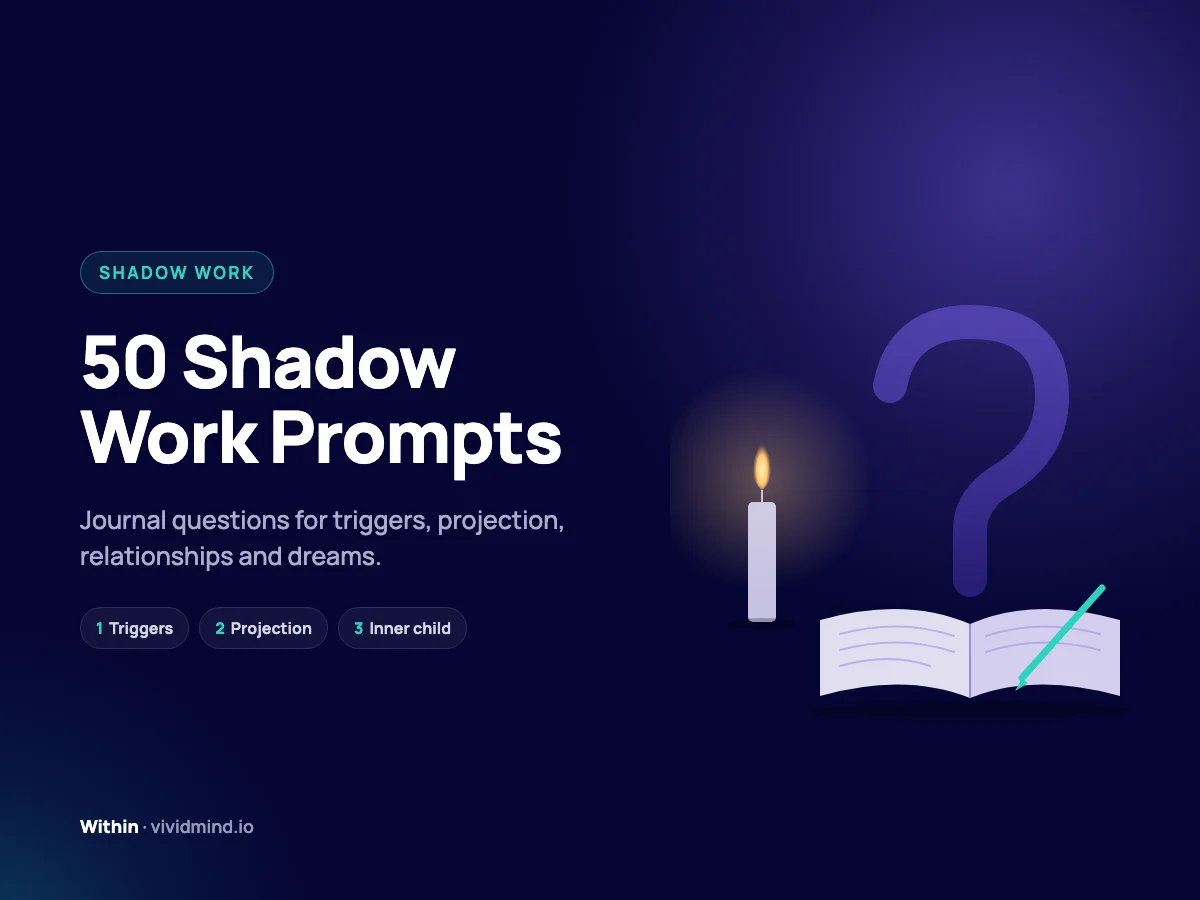
Shadow work prompts for beginners and beyond: 50 journal questions for triggers, projection, jealousy, your inner child, relationships and dreams.
Why do I cry so easily? The common reasons behind easy tears, what your crying may be telling you, and what helps when it happens.
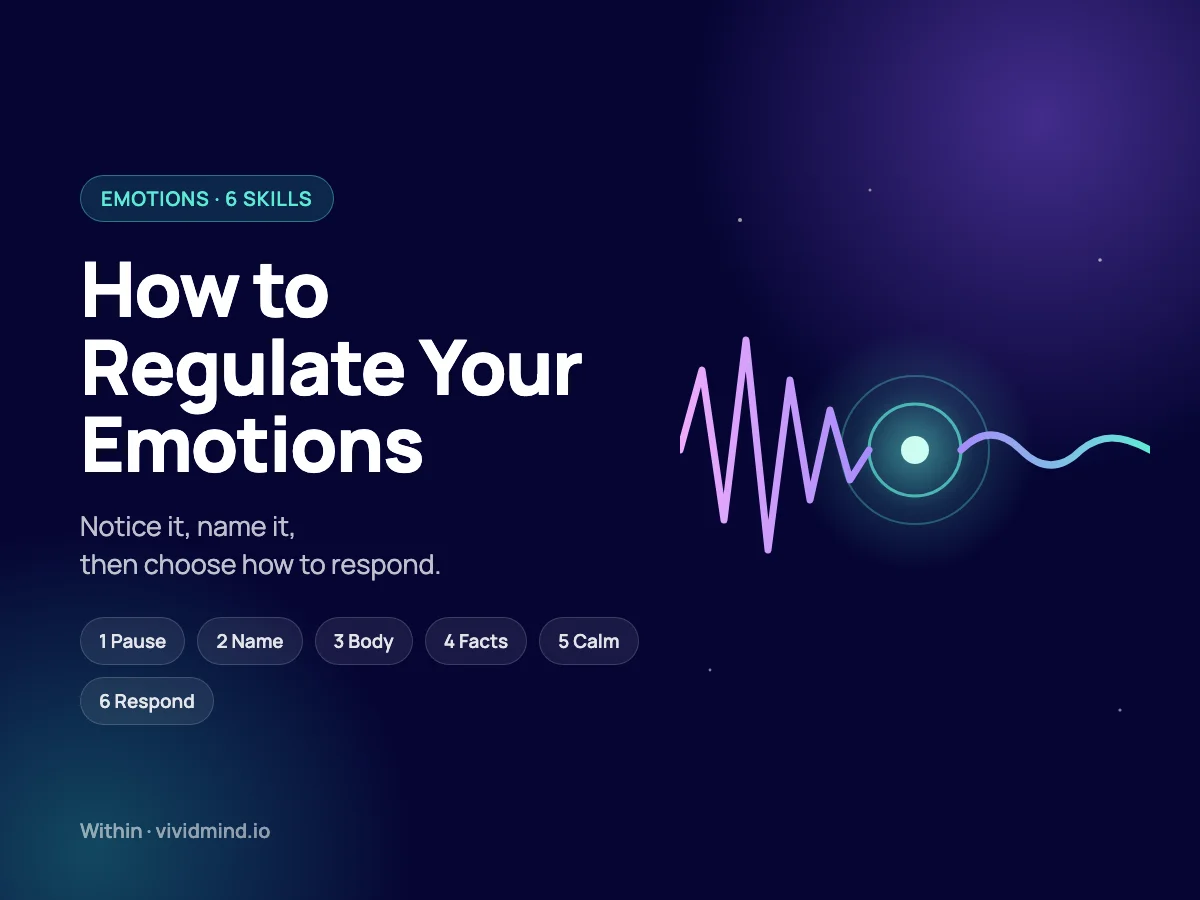
What emotion regulation means, why it's hard as an adult, and simple skills (some inspired by DBT) to calm strong emotions.
How to stop ruminating: what rumination is, how it differs from reflection, and 6 ways to break the loop when the same thoughts keep replaying.
What to talk about in therapy when your mind goes blank or things are going well, plus 15 ideas and how to prepare with moments, thoughts and dreams.
What your inner critic is, why fighting it rarely works, and how to listen to it differently so it gets quieter.
How to remember your dreams with 7 simple tips, why you forget them, how to forget a dream you’d rather not keep, and how to go back to one.
How to stop overthinking in a relationship: why your mind spins over a text, a tone or a silence, how to stop reading into things, and 6 steps to try.
What Jung's active imagination is, how it differs from visualization and meditation, and how to try it step by step, with examples.
Easily triggered by small things? What being easily triggered means, why the reaction feels bigger than the moment, and what to do when it happens.
Learn how to do shadow work in 5 steps, starting from a moment that triggered you, with shadow work prompts for each step and what to expect.
The journey to access this game-changing treatment isn't easy, as most U.S. insurance companies don't formally include it in their plans.
Why intentions matter in ketamine therapy, and how to set clear, personal goals that help you get more from each session.
Not everyone is right for this ketamine treatment. Who is not a good candidate for ketamine therapy?
Ketamine-assisted psychotherapy offers an innovative approach to alleviating depression symptoms and other mental health conditions.
Research suggests ketamine can ease symptoms of depression, PTSD, anxiety and chronic pain, making it an option for people who haven't found relief elsewhere.
Psychedelic integration coaches help you make sense of your experience and bring its insights and lessons into your everyday life.
Researchers are studying ketamine as a treatment for depression, a mental health condition that affects millions of people worldwide.